
10 Orthopedic Conditions That Often Require Pain Management Support
Orthopedic conditions can affect how people move, work, and go about their daily routines. While some issues resolve with rest or short-term treatment, others lead to ongoing discomfort that interferes with quality of life. Pain management support often becomes part of care when symptoms persist, flare repeatedly, or limit mobility despite conservative measures.
According to Newsweek, afflictions like arthritis, carpal tunnel syndrome, and chronic back or neck pain affect nearly half of American adults. This statistic highlights how widespread orthopedic pain truly is and why many patients seek guidance from local orthopedic providers for relief strategies tailored to their condition. In this article, we'll take a closer look at several orthopedic conditions that frequently require pain management support and explain why a comprehensive approach is often helpful.
1. Chronic Back Pain: Ongoing Discomfort That Impacts Daily Life
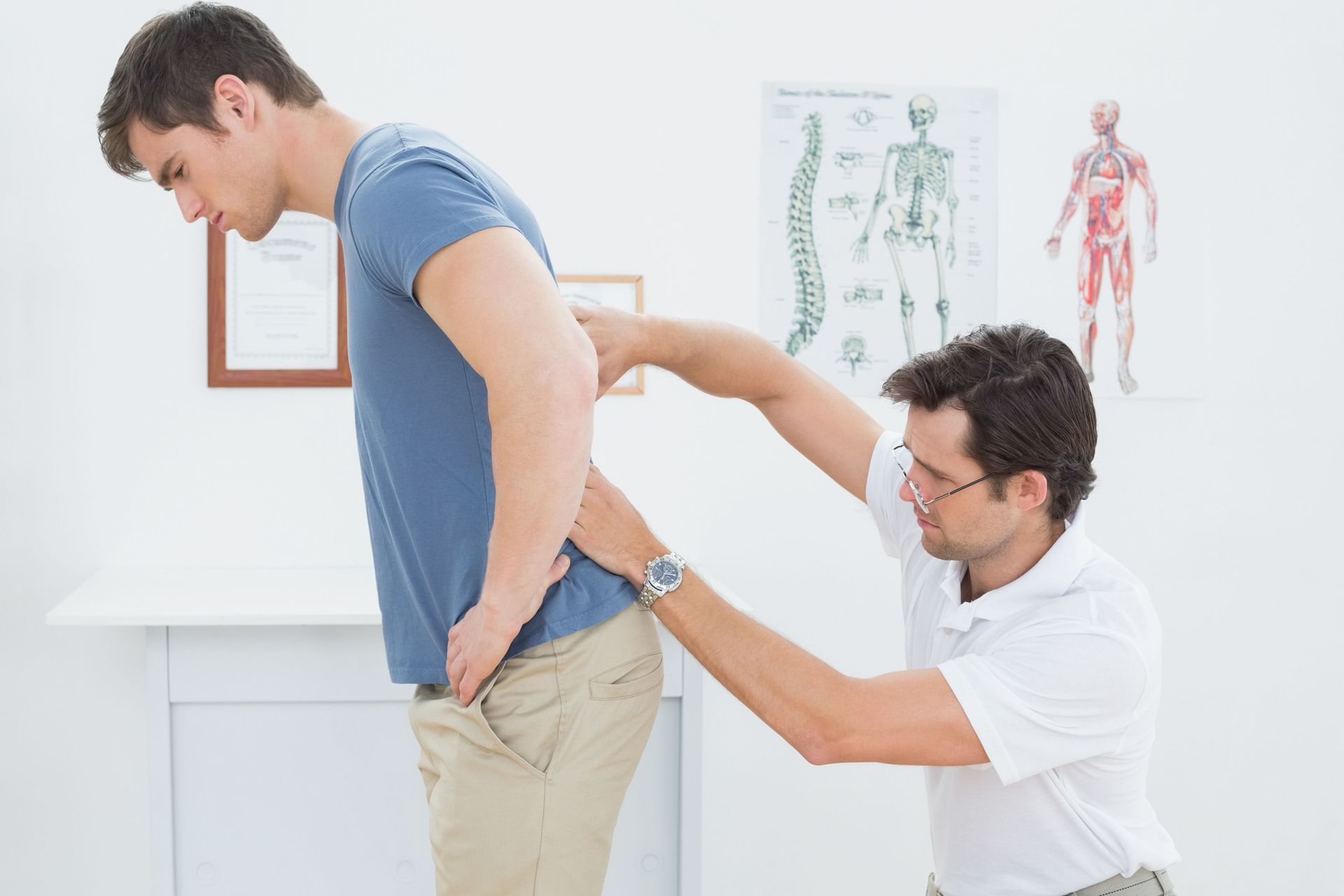
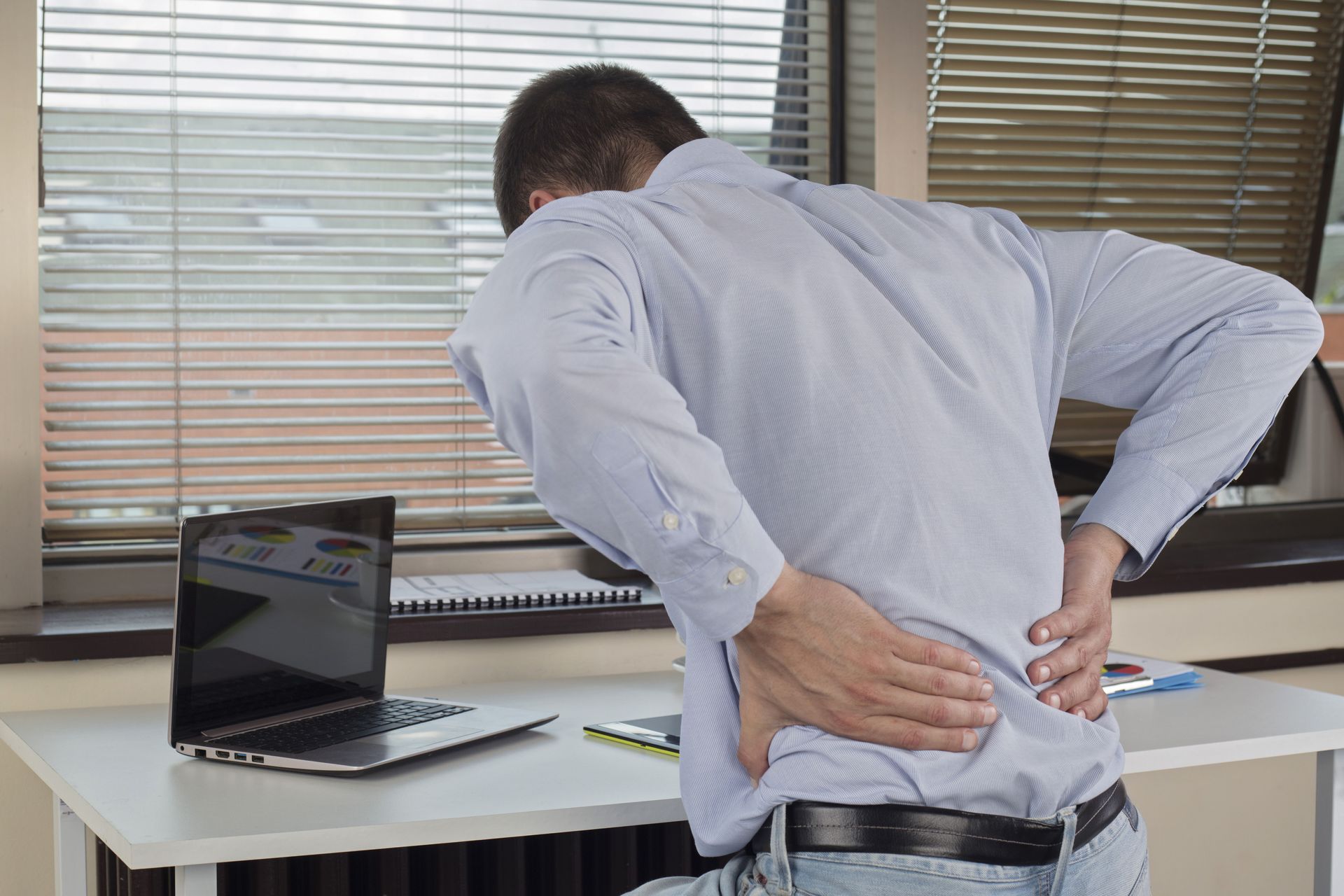
Chronic back pain is one of the most common reasons people turn to pain management services. It may stem from muscle strain, spinal disc issues, degenerative changes, or prior injuries that never fully healed. Unlike acute back pain, which often improves within weeks, chronic back pain can linger for months or even years.
Pain management support for chronic back pain often focuses on reducing inflammation, improving mobility, and minimizing flare-ups. Patients working with local orthopedics specialists may receive a combination of physical therapy recommendations, medication management, and lifestyle adjustments aimed at protecting the spine during everyday activities.
2. Osteoarthritis: Degenerative Joint Pain Over Time
Osteoarthritis develops as cartilage within a joint gradually wears down, leading to stiffness, swelling, and persistent pain. Knees, hips, hands, and shoulders are commonly affected, especially as people age. Because osteoarthritis is progressive, pain levels can increase over time.
Pain management plays a key role in helping patients remain active while slowing functional decline. Treatment plans coordinated through local orthopedics clinics often include activity modification, targeted exercises, and pain-relief strategies that help patients manage symptoms without overloading the joint.
3. Rheumatoid Arthritis: Inflammatory Pain Beyond the Joints
Rheumatoid arthritis is an autoimmune condition that causes the immune system to attack joint tissues. Unlike osteoarthritis, which is driven by wear and tear, rheumatoid arthritis leads to widespread inflammation, swelling, and joint deformity if left unmanaged.
Pain management support is often necessary to address both joint pain and the fatigue that accompanies chronic inflammation. Orthopedic providers frequently collaborate with other medical professionals to balance inflammation control with pain relief, allowing patients to maintain independence and daily function.
4. Carpal Tunnel Syndrome: Nerve Compression and Repetitive Strain
Carpal tunnel syndrome occurs when the median nerve is compressed as it passes through the wrist. This compression can cause pain, numbness, tingling, and weakness in the hand and fingers. Repetitive motions, workplace ergonomics, and certain medical conditions can increase risk.
When symptoms become persistent, pain management support may be recommended to reduce nerve irritation and improve hand function. Local orthopedics teams often guide patients through splinting options, activity changes, and pain-focused treatments that aim to reduce discomfort while preventing long-term nerve damage.
5. Rotator Cuff Injuries: Shoulder Pain That Limits Movement
The rotator cuff is a group of muscles and tendons that stabilize the shoulder joint. Tears, inflammation, or overuse injuries in this area can lead to sharp or aching pain, particularly during lifting or overhead movements.
Pain management is frequently part of treatment for rotator cuff injuries, especially when pain interferes with sleep or daily tasks. Providers in local orthopedics settings often emphasize pain reduction strategies that support healing while restoring shoulder strength and flexibility through guided rehabilitation.
6. Herniated Discs: Spinal Pressure and Radiating Pain
A herniated disc occurs when the soft inner portion of a spinal disc pushes through its outer layer, placing pressure on nearby nerves. This can result in localized pain or radiating symptoms into the arms or legs, depending on the disc's location.
Pain management support for herniated discs may involve reducing nerve irritation and controlling inflammation. Orthopedic professionals frequently tailor care plans to help patients stay mobile while managing pain, which can be essential for avoiding further spinal stress.
7. Tendinitis: Inflammation From Overuse or Repetitive Motion
Tendinitis refers to inflammation of a tendon, often caused by repetitive movements or sudden increases in activity. Common examples include Achilles tendinitis, tennis elbow, and patellar tendinitis. Pain can worsen with continued use, making daily tasks uncomfortable.
Pain management strategies are often introduced when rest alone doesn't resolve symptoms. Through local orthopedics providers, patients may receive guidance on activity modification, therapeutic exercises, and pain-relief methods designed to calm inflammation and support recovery.
8. Hip Bursitis: Persistent Pain With Walking or Sitting
Hip bursitis occurs when the fluid-filled sacs that cushion the hip joint become inflamed. This condition often causes sharp or burning pain on the outer hip, particularly during walking, climbing stairs, or prolonged sitting. Discomfort may worsen at night or after extended periods of activity, making rest difficult.
Pain management support can help reduce discomfort and restore mobility. Orthopedic care often focuses on relieving pressure on the hip, addressing contributing movement patterns, and helping patients return to daily activities with less pain while improving flexibility and long-term joint comfort.
9. Knee Injuries: Lingering Pain After Trauma or Overuse
Knee injuries such as ligament sprains, meniscus tears, or cartilage damage can lead to ongoing pain if healing is incomplete. Even after initial treatment, some patients continue to experience stiffness or discomfort during activity, particularly with walking, kneeling, or climbing stairs. Swelling and instability may also persist, limiting confidence in movement.
Pain management services may be recommended to help manage residual symptoms while strengthening the surrounding muscles. Local orthopedics teams often integrate pain-focused care with rehabilitation to support long-term knee stability, improved joint function, and greater comfort during everyday activities.
10. Chronic Neck Pain: Stiffness and Headache Triggers
Chronic neck pain is commonly linked to posture issues, degenerative spinal changes, or prior injuries such as whiplash. Symptoms may include stiffness, reduced range of motion, and headaches that radiate from the neck. Over time, untreated neck pain can also contribute to shoulder tension, upper back discomfort, and difficulty concentrating during daily tasks.
Pain management support often targets muscle tension and joint irritation. Orthopedic providers frequently help patients understand ergonomic adjustments and movement strategies that reduce strain, making neck pain easier to manage over time while supporting better posture and long-term spinal health.
Orthopedic conditions such as arthritis, chronic back pain, carpal tunnel syndrome, and joint injuries affect millions of people and often require more than short-term treatment. Pain management support plays an important role in helping patients cope with persistent discomfort while maintaining mobility and independence. Whether pain stems from degeneration, inflammation, or injury, coordinated care through local orthopedics providers can offer meaningful relief and long-term support.
Living with ongoing orthopedic pain can take a toll not only on physical health but also on emotional well-being, work performance, and overall quality of life. Addressing pain early and consistently may help prevent further limitations, reduce flare-ups, and support healthier movement patterns over time. With the right combination of clinical guidance, activity modifications, and pain-focused care, many patients are able to stay active and engaged in the routines that matter most to them.
If ongoing orthopedic pain is affecting your daily life, consider reaching out to us at Bensalem Orthopedics, PC to discuss pain management options and take the next step toward improved comfort, confidence, and function.

Share On: